Where Horror Gets Studied, Skewered, and Celebrated.
Newest articles and reviews
(Deep Cuts) When the Theater Becomes Haunted: Horror Films Set Inside the Movies
By. Temmie
Set Inside the Movies Movie theaters are supposed to be safe places for fear. Audiences enter knowing that the terror on screen is fictional, contained within the boundaries of the film itself. The lights dim, the projector starts, and for a few hours viewers willingly step into a controlled nightmare.
But some horror films break that boundary. Instead of simply showing frightening stories, they turn the theater, the screen, and the act of watching movies into the source of the horror itself. In these films, the cinema becomes a haunted space where fiction and reality blur, a hallmark of meta horror, a subgenre in which the story draws attention to the act of watching itself, making viewers conscious of both narrative and their own role as spectators.
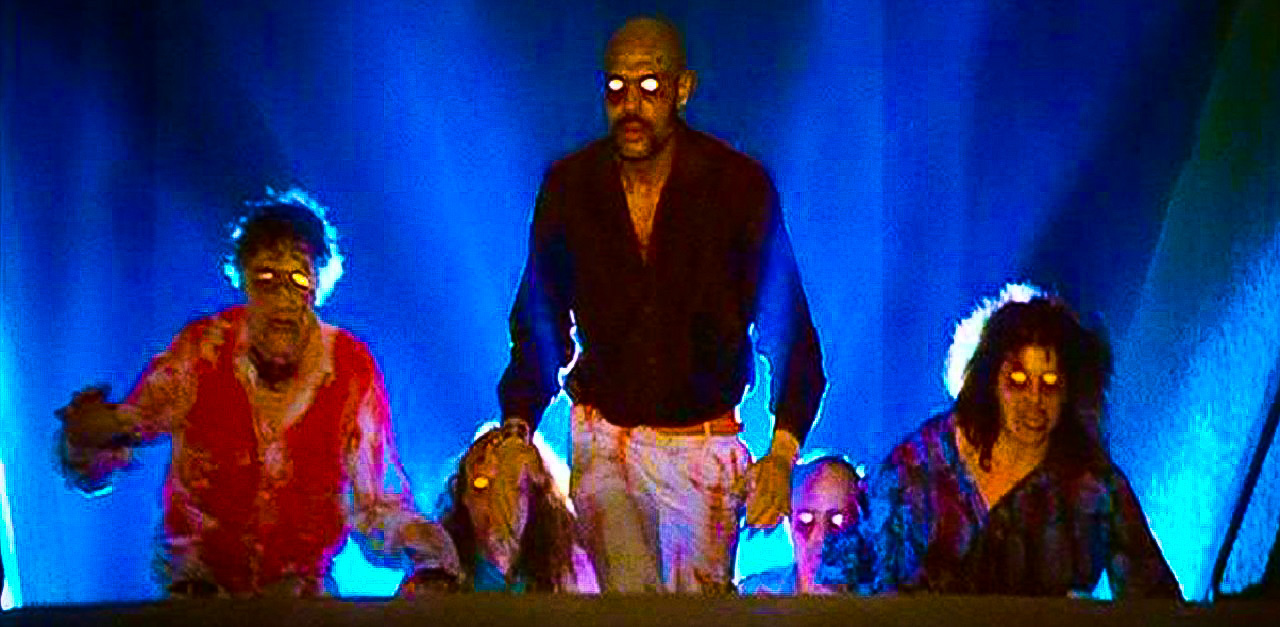
One early and memorable example appears in Demons, directed by Lamberto Bava. The film begins with a group of strangers attending a mysterious screening inside a newly opened theater. As the movie within the movie plays, audience members slowly transform into violent demons, turning the theater into a chaotic battleground. Trapped inside, the space designed for entertainment becomes a prison filled with monsters.
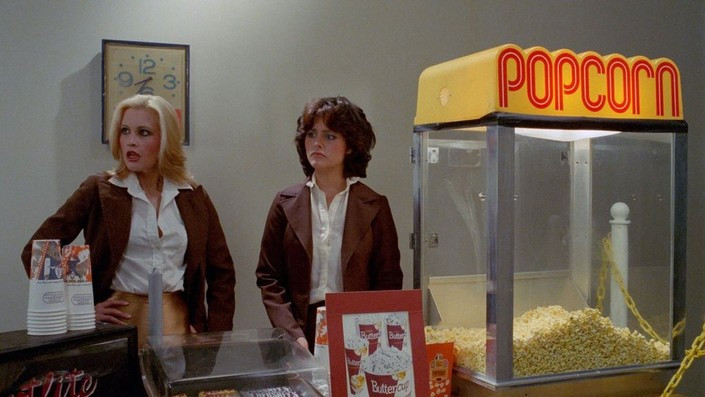
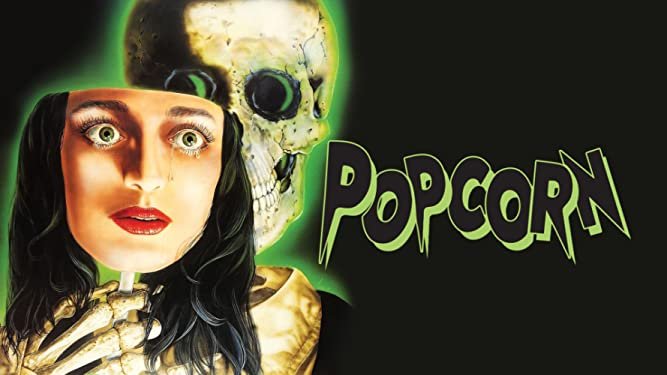
This idea of the theater as a dangerous space also appears in the cult horror film Popcorn. Set during an overnight horror movie marathon organized by film students, the story follows a killer who begins murdering attendees while blending in with the audience. Because the audience inside the film is already watching horror movies, the characters struggle to distinguish staged scares from real violence. Masks, props, and theatrical effects become tools that allow the killer to hide in plain sight.
Another example appears in the lesser known but intriguing Blood Theatre, which centers on a run-down movie theater plagued by a series of violent incidents. The film leans heavily into the idea that the building itself has absorbed the dark energy of the films shown within it. Over time, the theater becomes a place where disturbing events seem almost inevitable.
Meta horror in contemporary cinema continues this tradition. The 2017 Japanese film One Cut of the Dead takes place in a film studio during the shooting of a zombie movie, blending behind-the-scenes chaos with horror and comedy. By highlighting the filmmaking process itself, the movie plays with the line between performance and reality, echoing the same blurring of fiction and real-world tension seen in cinema-set horror from decades earlier.

These stories tap into a unique anxiety about media itself. Movie theaters are spaces built entirely around illusion. Audiences gather in dark rooms to watch carefully constructed images projected onto a screen. Normally that separation between reality and fiction is clear. In meta horror, the screen becomes less of a barrier and more of a doorway, and characters may discover that the images they are watching can escape the screen, reshaping the world around them.
There is also something psychologically unsettling about violence occurring in a place designed for passive spectatorship. In a theater, audiences are trained to sit quietly and observe. They are not participants in the story unfolding before them. When danger erupts inside that environment, the normal rules of watching no longer apply. Instead of safely observing fictional horror, characters must confront real danger while surrounded by the trappings of cinematic illusion. The line between viewer and victim disappears.
Cinema-set horror also functions as a playful reflection on the genre itself. By setting their stories in theaters or film events, these films acknowledge the shared ritual between filmmakers and audiences. Horror fans gather together to enjoy fear, knowing that the experience will remain controlled, until it doesn’t.
These films ask a disturbing question. What if the boundary between the screen and the audience failed completely? In that scenario, the theater would no longer be a place where horror is safely experienced. It would become part of the nightmare.
And the audience might find that they are no longer just watching the movie. They are trapped inside it.
For more amazing insight from Temmie, read the article on Home Invasion Horror
About Professor Horror
At Professor Horror, we don't just watch horror: we live it, study it, and celebrate it. Run by writers, critics, and scholars who've made horror both a passion and a career, our mission is to explore the genre in all its bloody brillance. From big-budget slashers to underground gems, foreign nightmares to literary terrors, we dig into what makes horror tick (and why it sticks with us). We believe horror is more than just entertainment; it's a mirror, a confession, and a survival story. And we care deeply about the people who make it, love it, and keep it alive.