Where Horror Gets Studied, Skewered, and Celebrated.
Newest articles and reviews
Why Minimalist Home Invasion Horror Still Terrifies Us
By. Temmie
Few horror films are as unsettling as the ones that strip the genre down to its bare essentials. No elaborate mythology. No supernatural forces. No sprawling cast of characters. Just a home, a handful of strangers, and the slow realization that something is terribly wrong.
Minimalist home invasion horror thrives on that simplicity. Films like The Strangers show how terrifying the genre can become when it removes almost everything except vulnerability and suspense. The result is a style of horror that feels intimate, unpredictable, and disturbingly plausible.
Unlike many modern horror films that rely on complex backstories or elaborate monsters, minimalist home invasion stories often begin with ordinary situations. A couple arrives at a quiet house late at night. Friends gather for a weekend getaway. A family settles into an unfamiliar home. These setups are intentionally mundane. They mirror everyday life closely enough that the audience can easily imagine themselves in the same position.
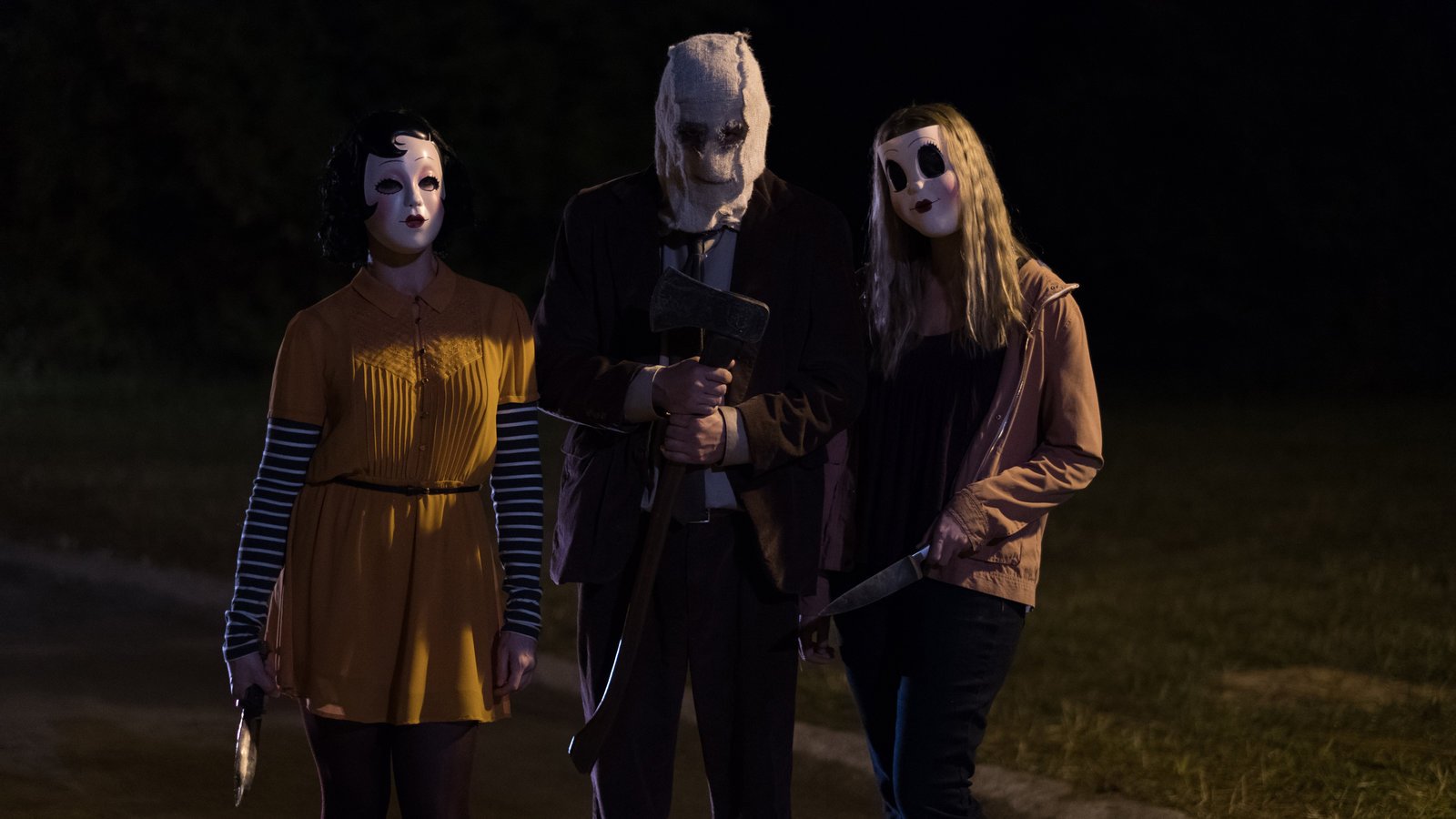
That sense of normalcy makes the intrusion of violence far more disturbing. In The Strangers, a couple spending the night in a remote house finds themselves targeted by three masked intruders. The attackers offer almost no explanation for their actions. Their motives remain ambiguous throughout the film. When one of the victims asks why they were chosen, the answer is chillingly simple. They were home.
The lack of motive is central to the film’s power. Horror often reassures viewers by offering explanations. A curse must be broken. A monster must be defeated. A haunted house must be escaped. Minimalist home invasion films refuse those comforts. The violence exists without justification, which makes it feel frighteningly arbitrary.
Another defining element of the subgenre is the deliberate use of limited space. Many of these stories unfold almost entirely within a single house. This confinement creates a sense of entrapment that amplifies every sound and movement. Footsteps in the hallway, a door creaking open, or a shadow passing across a window suddenly become moments of intense suspense.
The home itself plays an important role in that tension. Houses are usually imagined as places of safety and privacy. Home invasion horror reverses that expectation. The walls that should provide protection instead become barriers that trap the victims inside with the threat.
Filmmakers often emphasize this vulnerability through quiet, deliberate pacing. Long stretches of silence replace rapid editing or loud musical cues. Instead of constant action, the camera lingers on still rooms, dark corners, and empty hallways. The viewer begins to anticipate danger in every frame.
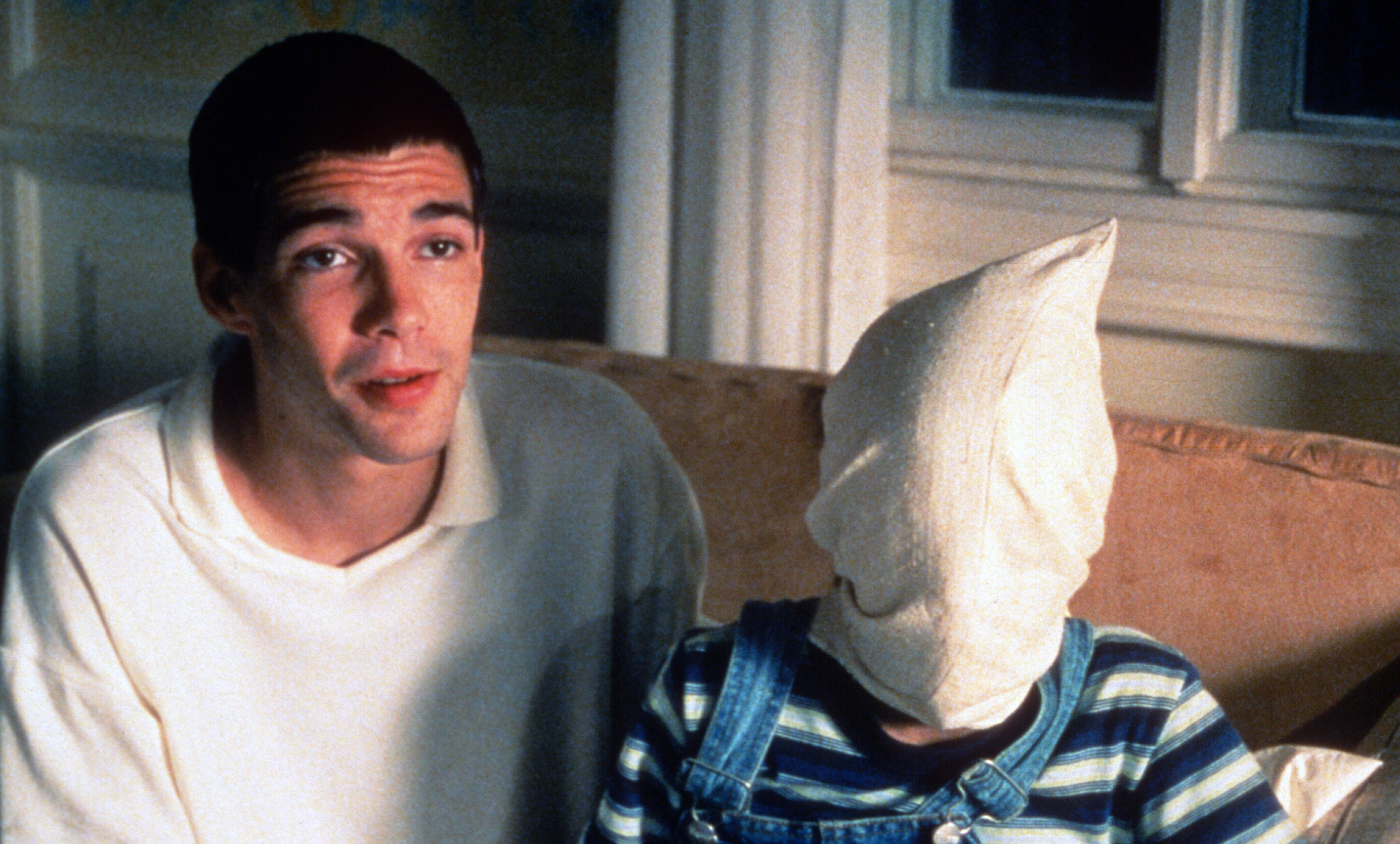
The effectiveness of this approach can be seen in films like Funny Games, which explores a similarly stripped down scenario. In that film, a family vacationing in a lakeside house becomes the target of two young men who methodically terrorize them over the course of a single day. The attackers behave with unsettling calmness, treating the situation almost like a game.
The film’s deliberate pacing and minimal setting create a suffocating atmosphere. Violence does not erupt suddenly in spectacular bursts. Instead, tension builds gradually as the intruders assert control over the space. The horror lies in the slow erosion of safety rather than sudden shocks.
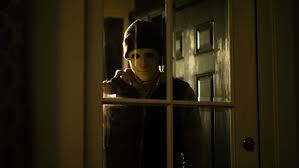
Other films have explored the same minimalist approach with different constraints. In Hush, the story follows a deaf writer living alone in a secluded house who must defend herself against a masked intruder. The film uses silence and restricted communication to intensify the tension, demonstrating how minimalism can heighten vulnerability when characters cannot easily call for help or escape.
This style of storytelling also highlights how ordinary environments can become threatening. Unlike supernatural horror, which relies on ghosts or monsters, home invasion films transform everyday spaces into sites of fear. A kitchen becomes a hiding place. A bedroom door becomes a fragile barrier between safety and danger.
Because the settings are so familiar, the fear feels personal. Most viewers understand the layout of a house, the sound of footsteps on a staircase, or the vulnerability of a dark window late at night. These details anchor the horror in experiences people already recognize.
Minimalism also intensifies the emotional focus of these stories. With only a few characters on screen, the audience spends more time observing their reactions to fear. Panic, confusion, and desperation unfold in close quarters. There are no elaborate subplots to distract from the central conflict.
This concentration on character and atmosphere explains why minimalist home invasion horror continues to resonate even as the genre evolves. In an era of large scale horror franchises and complex cinematic universes, these films remind audiences how powerful simplicity can be.
By stripping away spectacle and explanation, Minimalist home invasion horror reminds audiences that the scariest setting in the genre may not be a haunted castle or an abandoned asylum. It may simply be the place we expect to feel safest.
Sometimes the most frightening stories are the ones that feel closest to home.
For more Minimalist Home Invasion horror, check out Courtney Convex's review of DRAG
About Professor Horror
At Professor Horror, we don't just watch horror: we live it, study it, and celebrate it. Run by writers, critics, and scholars who've made horror both a passion and a career, our mission is to explore the genre in all its bloody brillance. From big-budget slashers to underground gems, foreign nightmares to literary terrors, we dig into what makes horror tick (and why it sticks with us). We believe horror is more than just entertainment; it's a mirror, a confession, and a survival story. And we care deeply about the people who make it, love it, and keep it alive.